Everyday Reuse
Turn a Worn Cotton T-Shirt Into Cloths You Will Actually Use
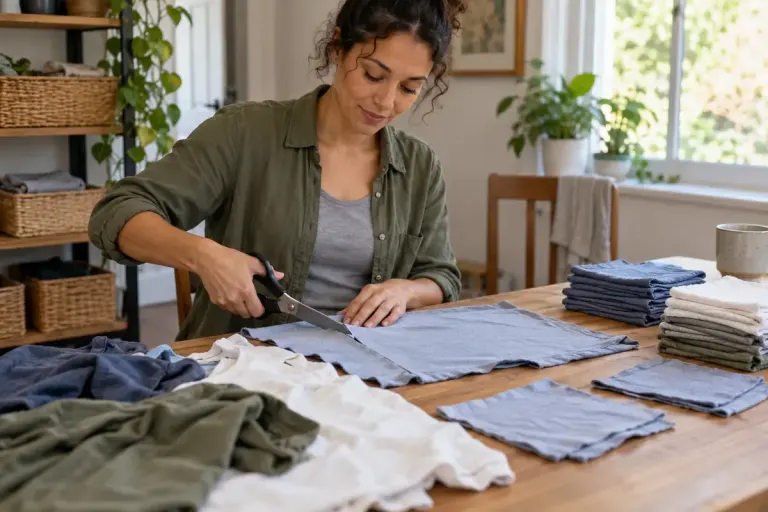
A worn cotton T-shirt can become useful household cloths when you choose clean fabric, practical sizes, and a clear washing routine.

Practical steps towards a less wasteful everyday home.
A worn cotton T-shirt can become useful household cloths when you choose clean fabric, practical sizes, and a clear washing routine.

Build a small freezer inventory around locations, usable portions and dates, then update it when food moves rather than relying on memory at shopping time.
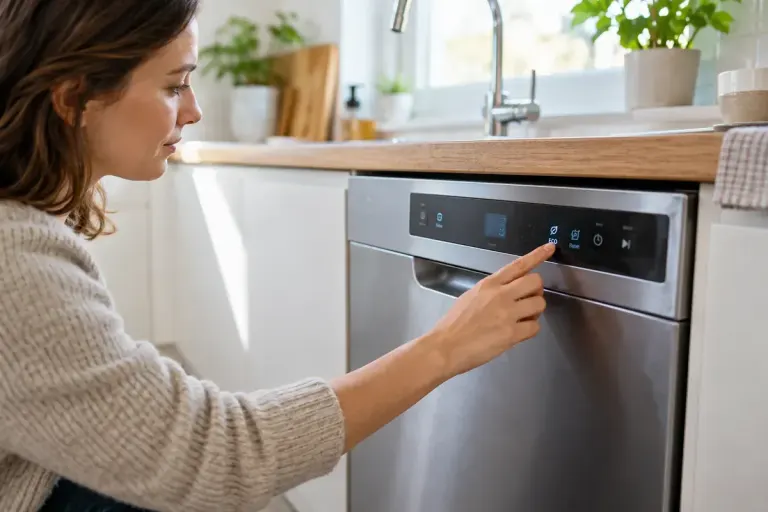
Understand why a longer dishwasher eco programme can use less energy, then compare the model’s stated consumption and choose a cycle suited to the load.
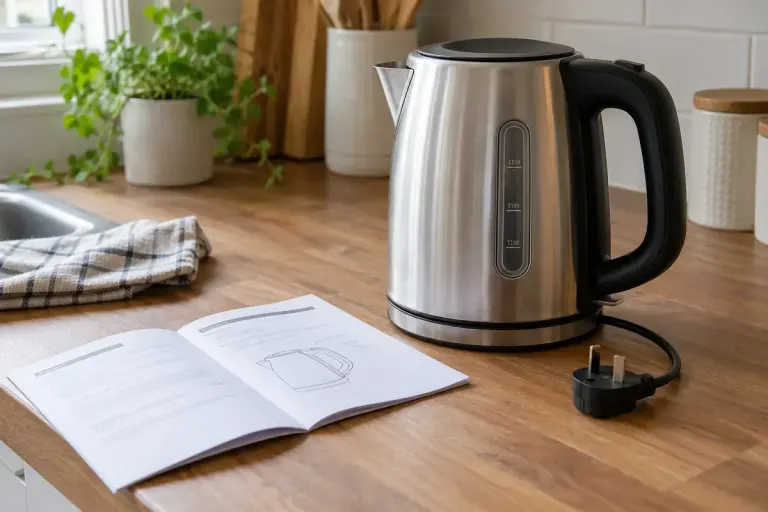
Check the kettle’s care instructions and condition before treating limescale as a reason to replace it. Use the approved method and rinse as directed.

Give leftovers a clear cooking date and a safe storage plan so reducing food waste does not depend on guessing how old a container is.
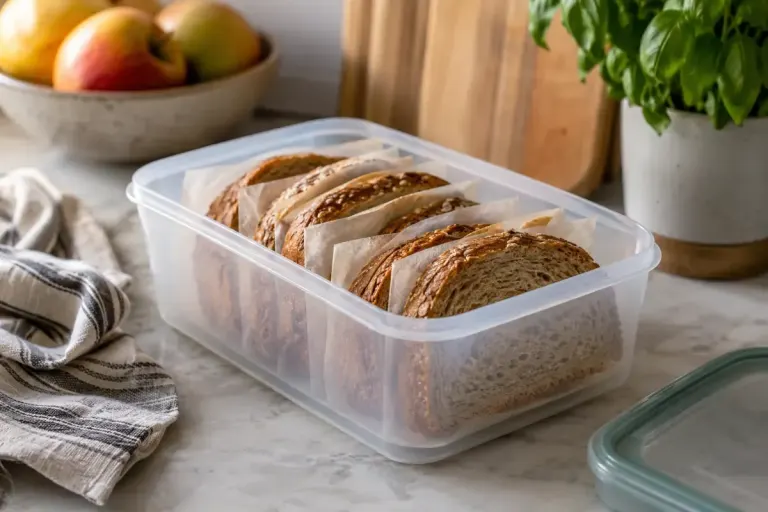
Freeze sliced bread in usable portions, protect it from drying and make the slices easy to separate so you can take only what you need.
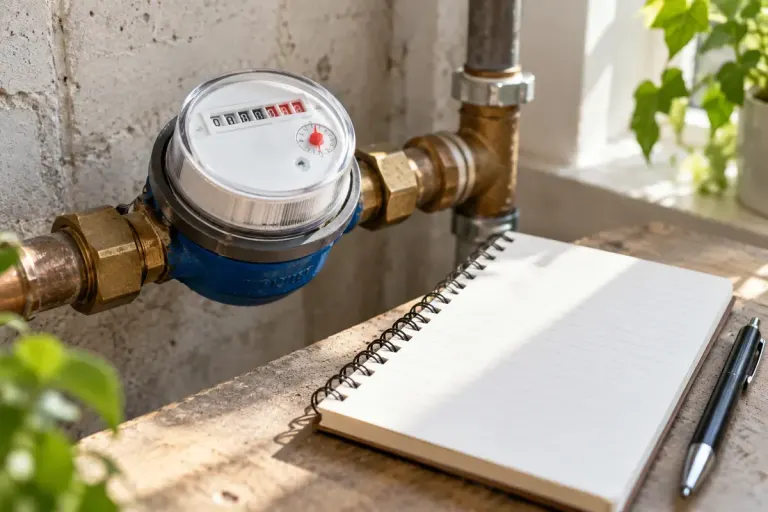
Compare meter readings, billing periods and actual water use before deciding why a bill rose, then use a no-use check to investigate possible leakage.
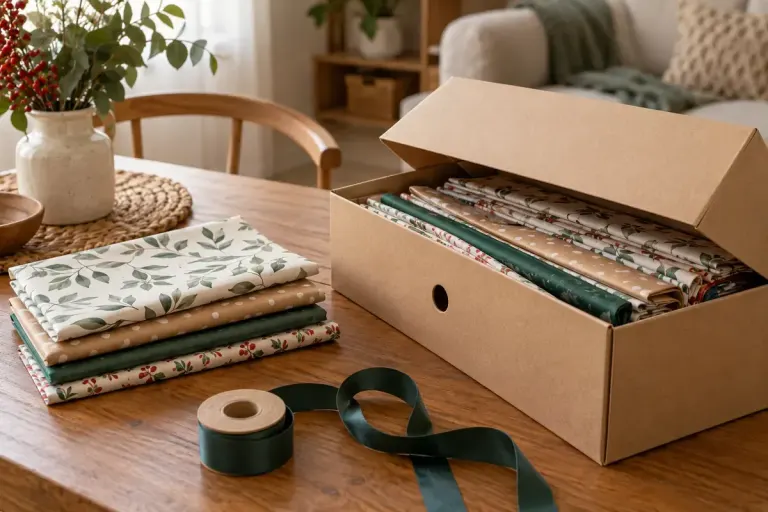
Sort used gift wrap by condition and useful size, remove unsuitable pieces and store reusable sheets where you can find them before the next occasion.
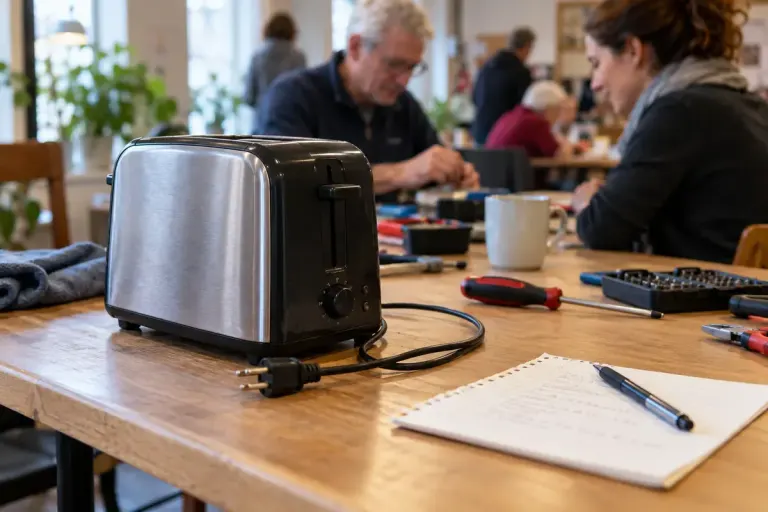
A clear fault description helps repair volunteers understand an item. Bring its relevant parts, history and symptoms without attempting unsafe tests at home.