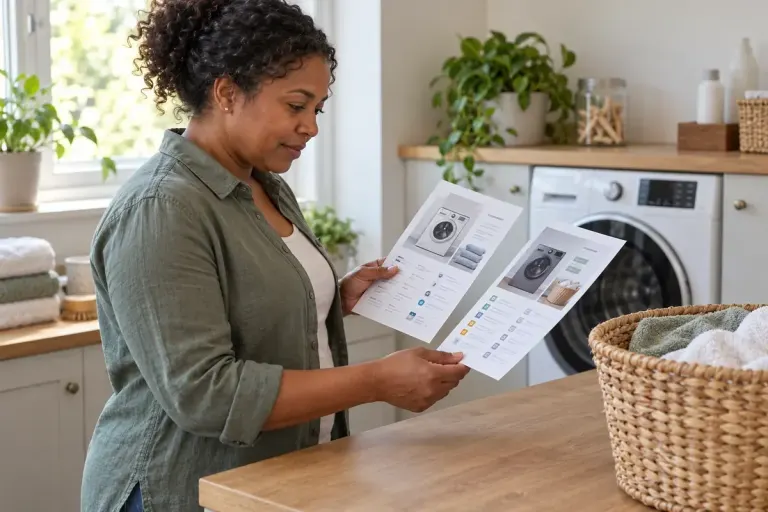
Household Energy
An appliance energy label is easiest to compare at the same capacity
Compare appliance energy labels within the same product type and capacity, then relate the labelled consumption to the programme and your actual use.

Practical steps towards a less wasteful everyday home.
Compare appliance energy labels within the same product type and capacity, then relate the labelled consumption to the programme and your actual use.
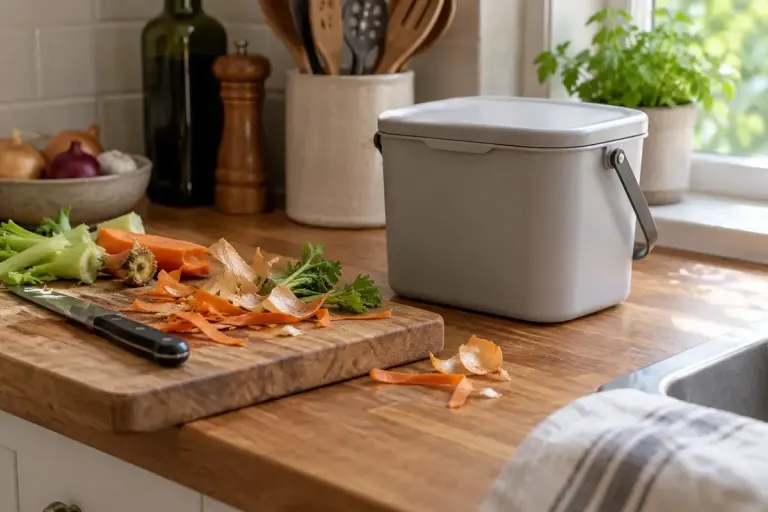
Choose a kitchen food-scrap container around your collection routine, accepted materials and cleaning needs rather than capacity alone.
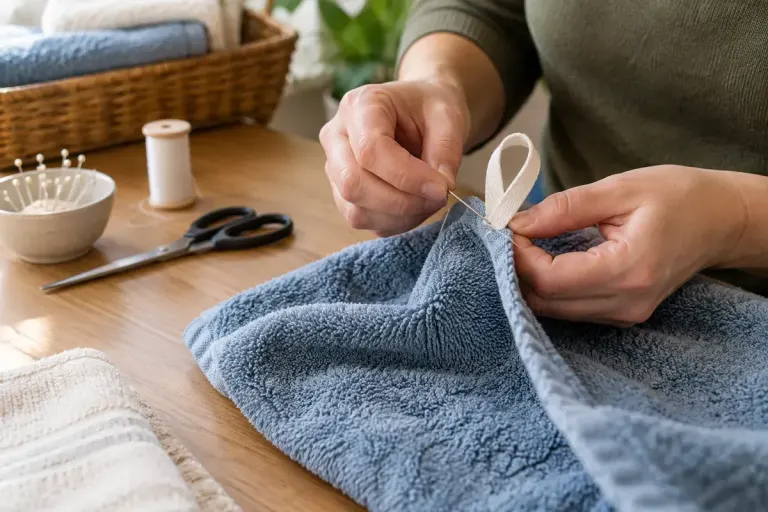
Repair a damaged towel hanging loop by checking the surrounding fabric, choosing washable tape and attaching it where the towel can carry the load.
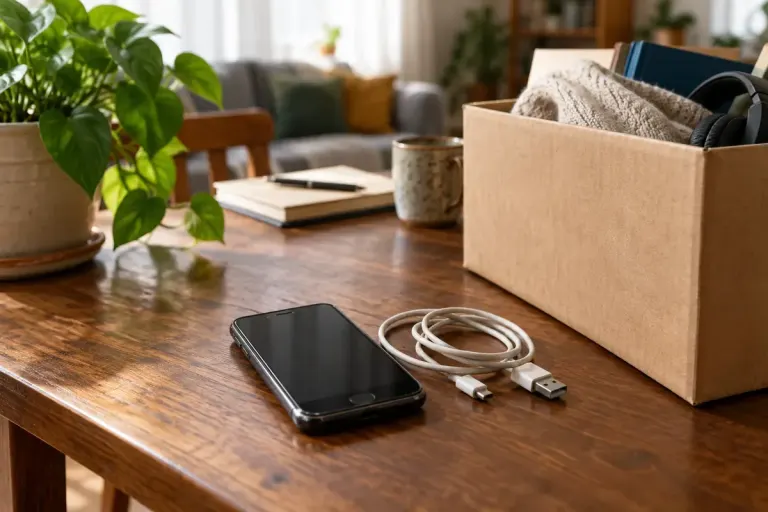
Prepare a phone for reuse by preserving needed data, transferring account access and following the manufacturer’s erase-and-handover process before passing it on.
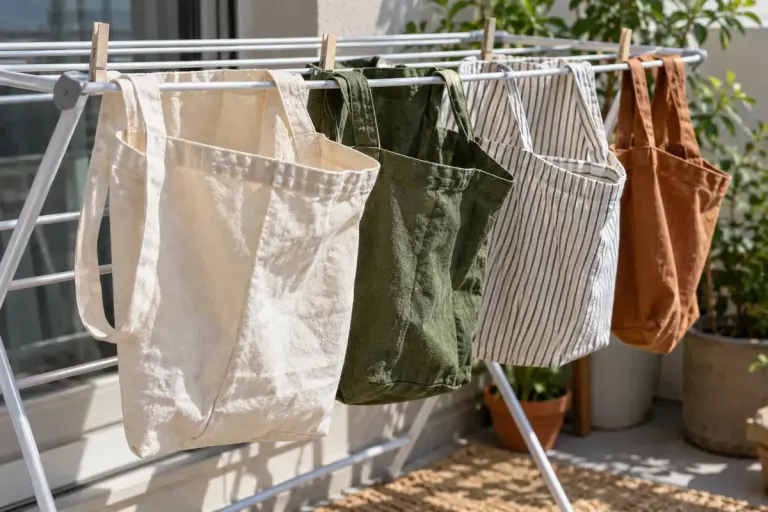
Keep reusable shopping bags useful with a cleaning, separation and drying routine that matches their material and the foods they carry.
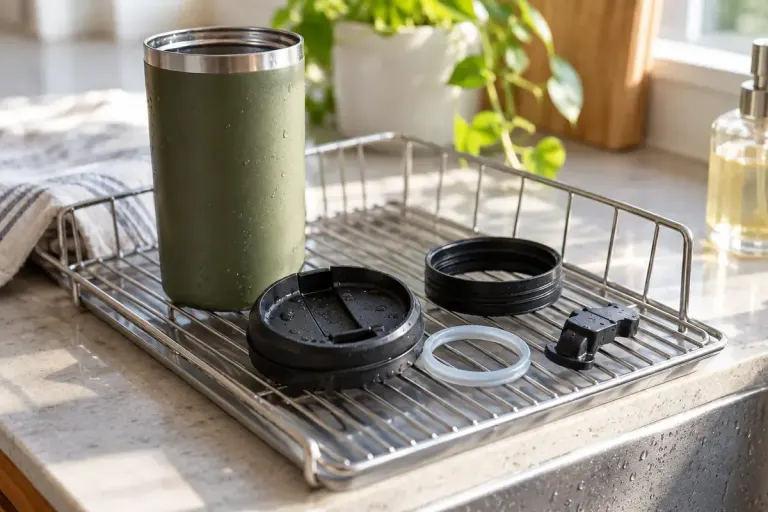
A reusable cup’s lid can hide residue around seals and drinking channels. Clean the parts your model allows, dry them and reassemble carefully.
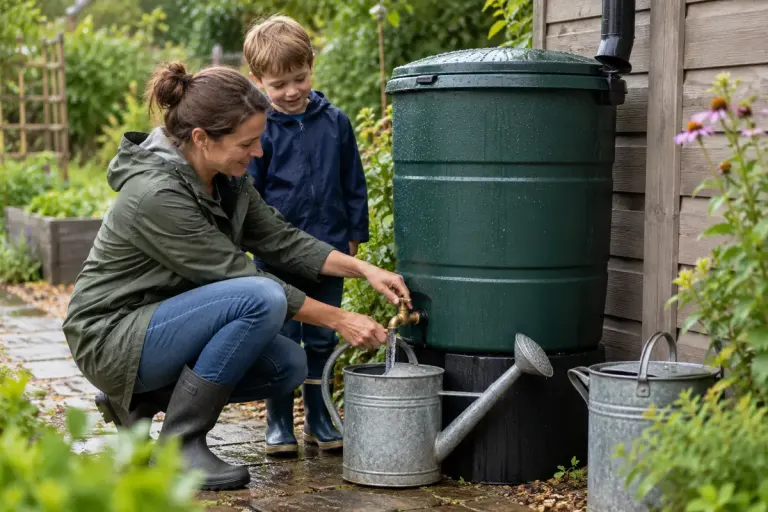
Plan rainwater collection around its intended non-drinking use, safe storage and separation from the household drinking-water supply.
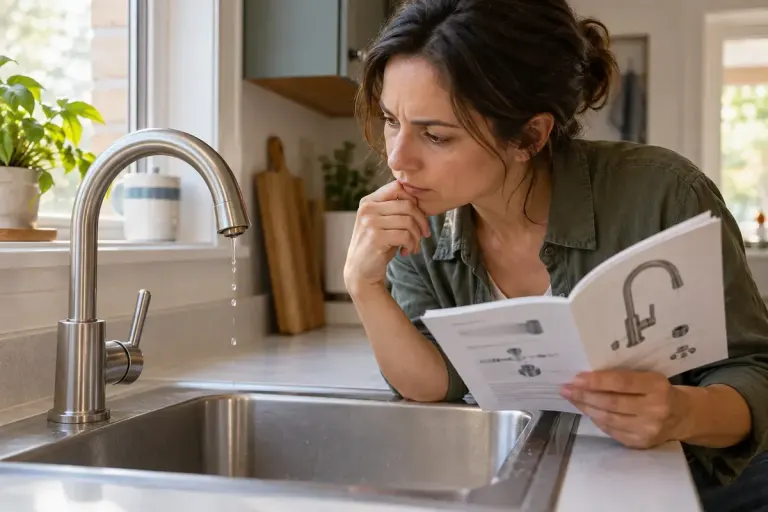
Trace a dripping tap carefully, identify the model and water isolation point, and choose a suitable repair route before dismantling anything.
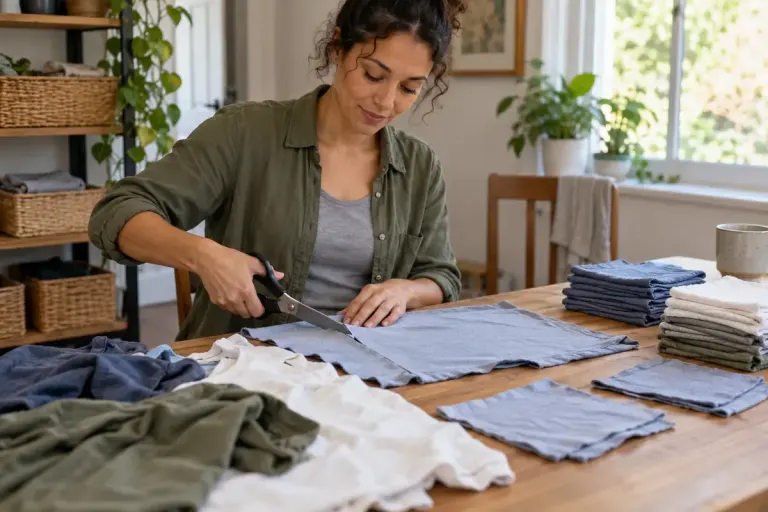
A worn cotton T-shirt can become useful household cloths when you choose clean fabric, practical sizes, and a clear washing routine.