
Practical Sustainability
Embodied carbon asks what happened before a product reached your home
Look beyond a home product’s energy use to the emissions associated with making, transporting, maintaining and eventually disposing of it.

Practical steps towards a less wasteful everyday home.
Practical steps towards a less wasteful everyday home. Explore focused guides, useful examples and questions worth asking.
Start with what you own →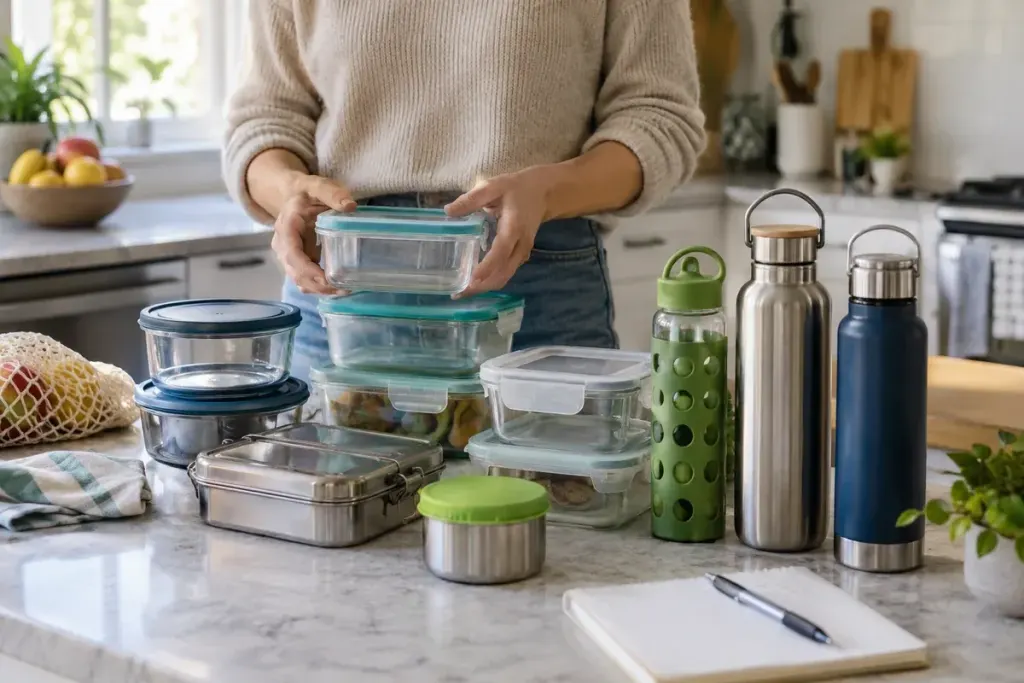
Look beyond a home product’s energy use to the emissions associated with making, transporting, maintaining and eventually disposing of it.
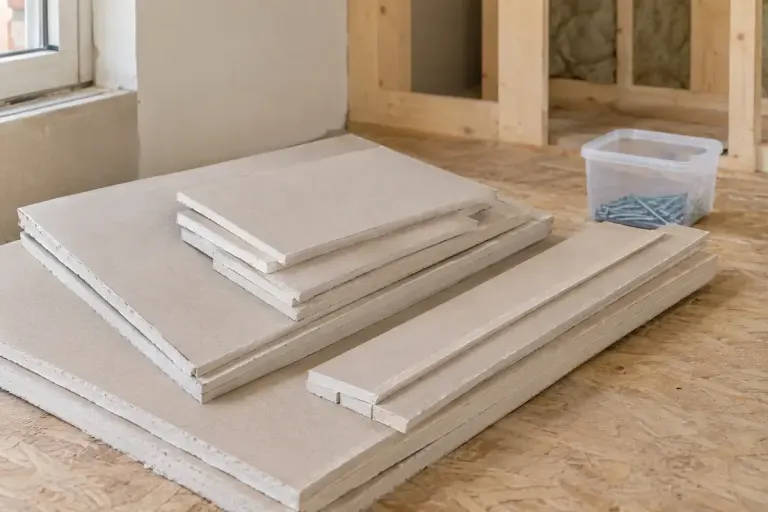
Keep clean plasterboard offcuts separate and check the recycler’s acceptance rules before mixing gypsum with general renovation waste.
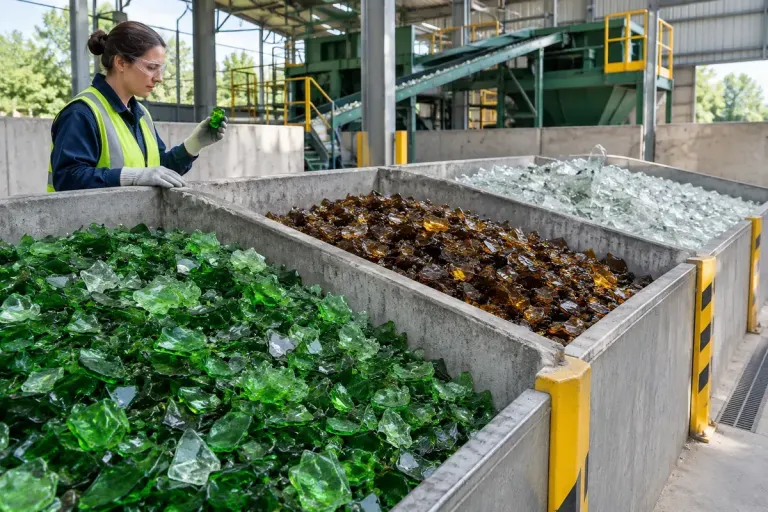
Follow bottle glass from collection to cullet, and learn why correct sorting matters before discarded glass becomes part of another melt.
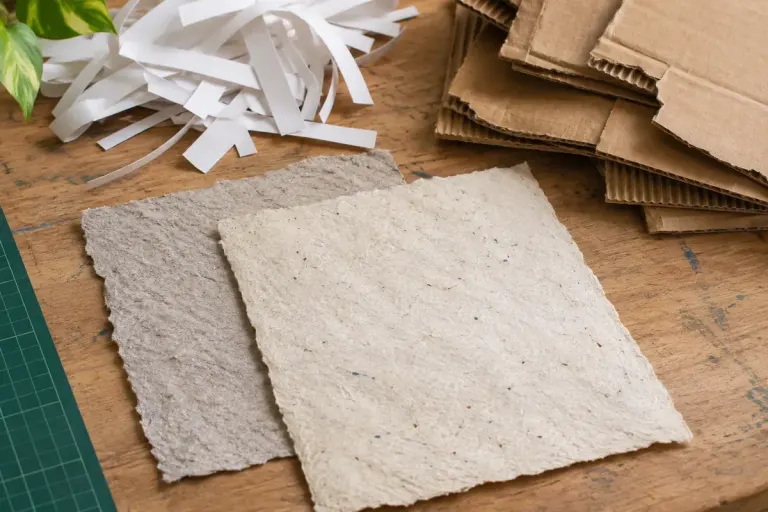
Read recycled-content claims more carefully by distinguishing manufacturing waste from material recovered after use, and checking what the percentage covers.
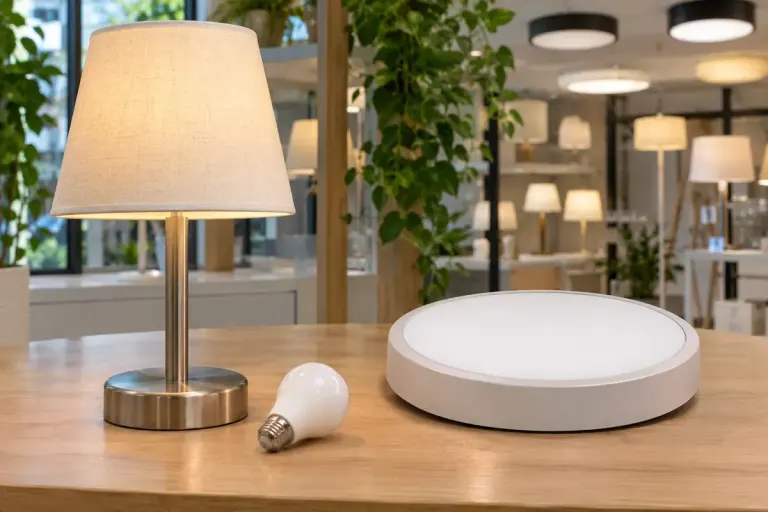
An LED fitting’s service life depends partly on what can be replaced. Ask about the light source, driver, spare parts and who is allowed to carry out the work.
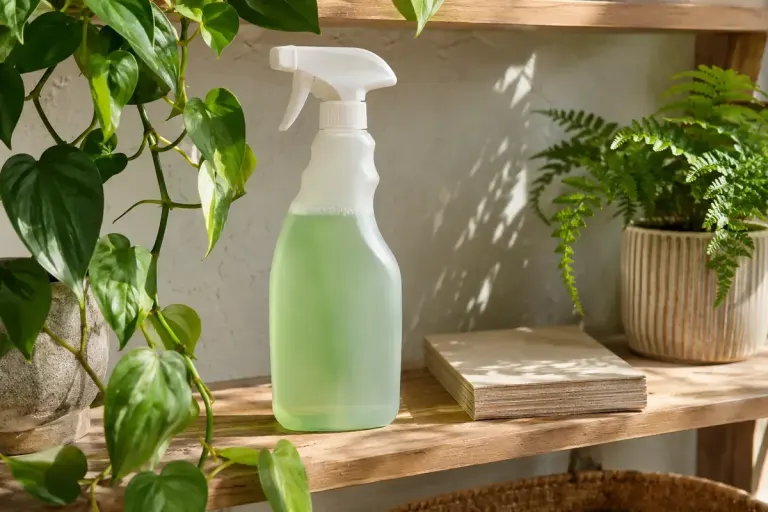
The EU Ecolabel uses product-group criteria across environmental impacts. Check the exact certified product rather than assuming every item from a brand qualifies.