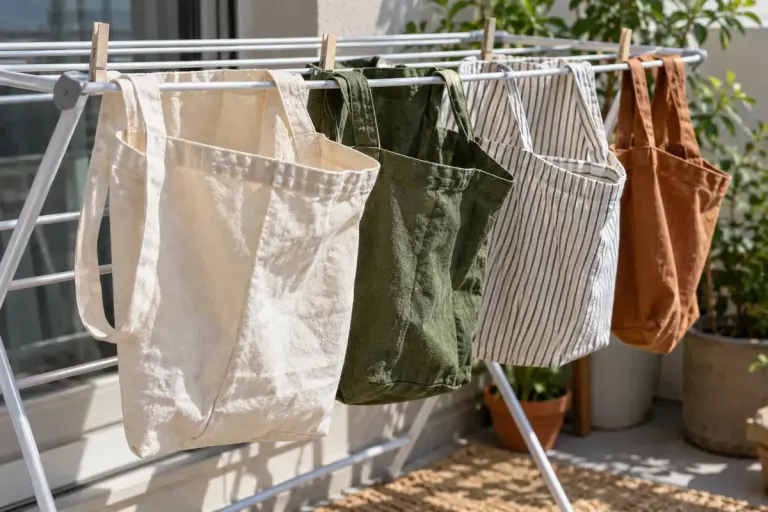
Reuse at Home
Dry Reusable Shopping Bags Fully Before Folding Them Away
Keep reusable shopping bags useful with a cleaning, separation and drying routine that matches their material and the foods they carry.

Practical steps towards a less wasteful everyday home.
Keep reusable shopping bags useful with a cleaning, separation and drying routine that matches their material and the foods they carry.
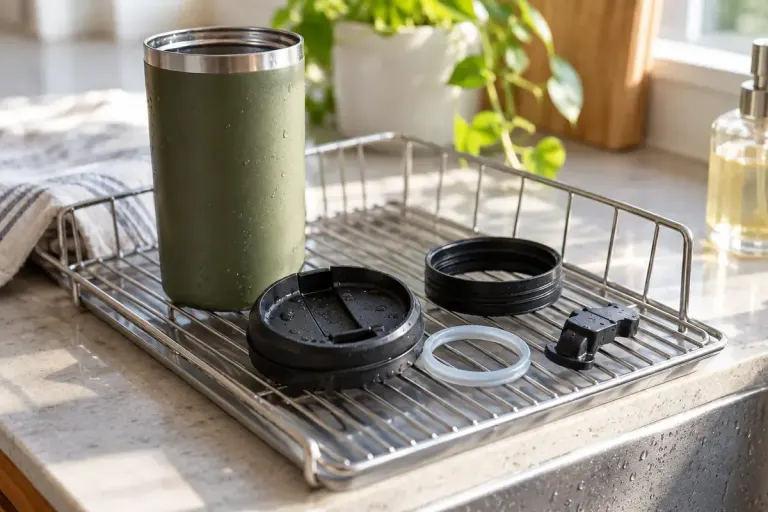
A reusable cup’s lid can hide residue around seals and drinking channels. Clean the parts your model allows, dry them and reassemble carefully.
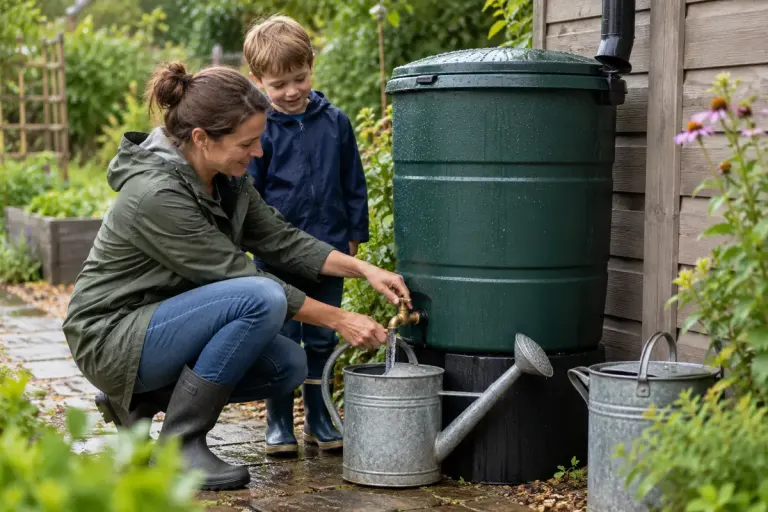
Plan rainwater collection around its intended non-drinking use, safe storage and separation from the household drinking-water supply.

Trace a dripping tap carefully, identify the model and water isolation point, and choose a suitable repair route before dismantling anything.
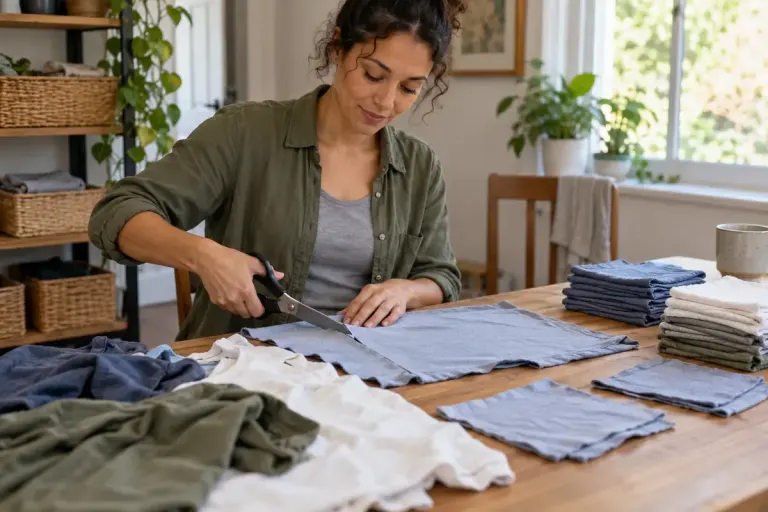
A worn cotton T-shirt can become useful household cloths when you choose clean fabric, practical sizes, and a clear washing routine.
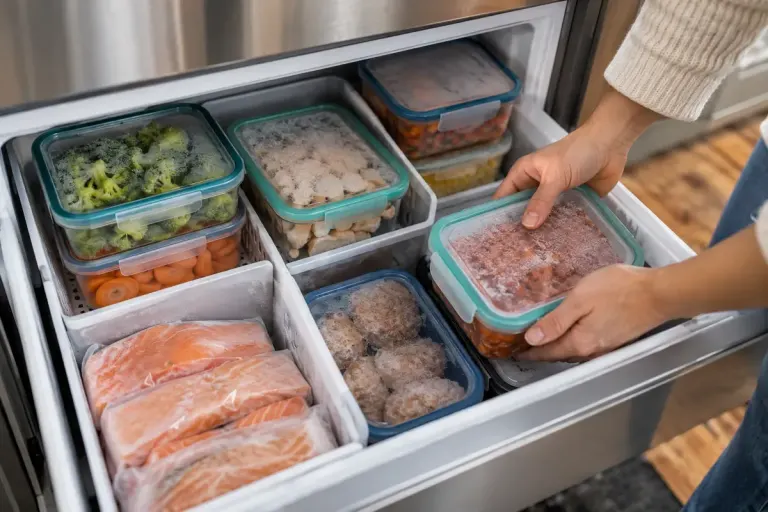
Build a small freezer inventory around locations, usable portions and dates, then update it when food moves rather than relying on memory at shopping time.
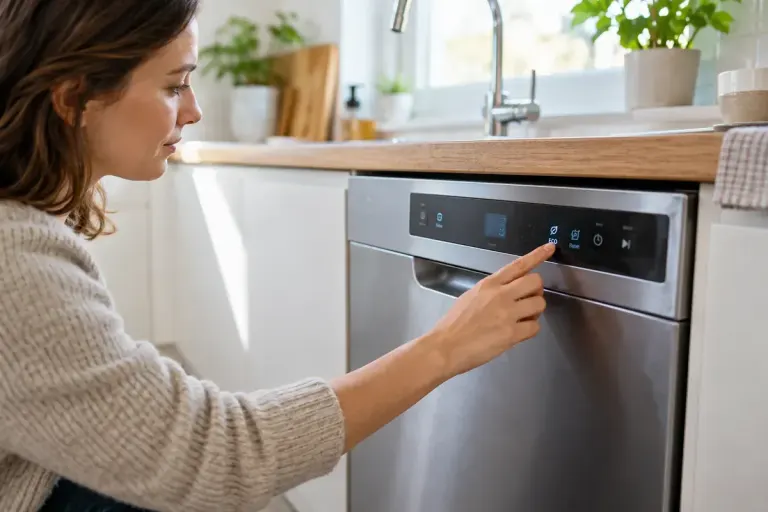
Understand why a longer dishwasher eco programme can use less energy, then compare the model’s stated consumption and choose a cycle suited to the load.
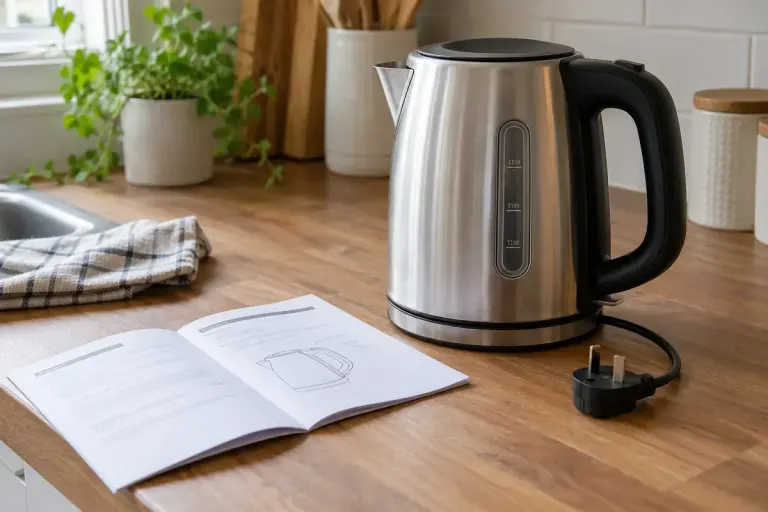
Check the kettle’s care instructions and condition before treating limescale as a reason to replace it. Use the approved method and rinse as directed.
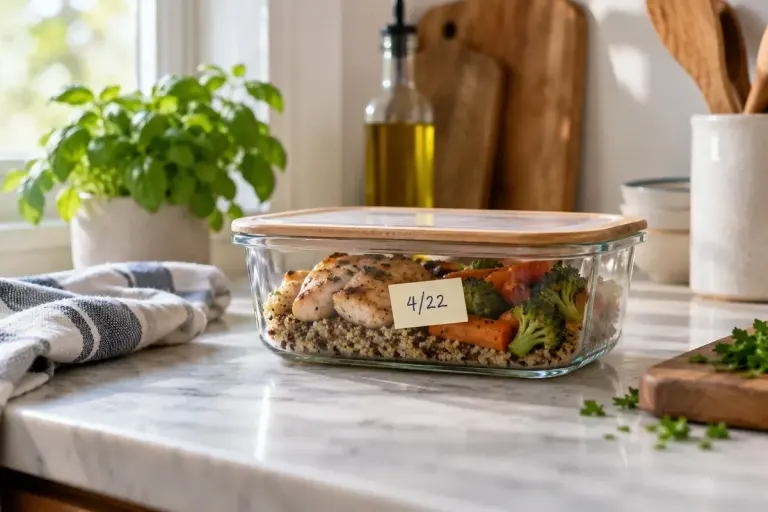
Give leftovers a clear cooking date and a safe storage plan so reducing food waste does not depend on guessing how old a container is.