
A higher water bill can reflect more consumption, a different billing period, a price change or a corrected estimate. Start by separating the amount of water recorded from the amount of money charged.
Match the bill to the meter
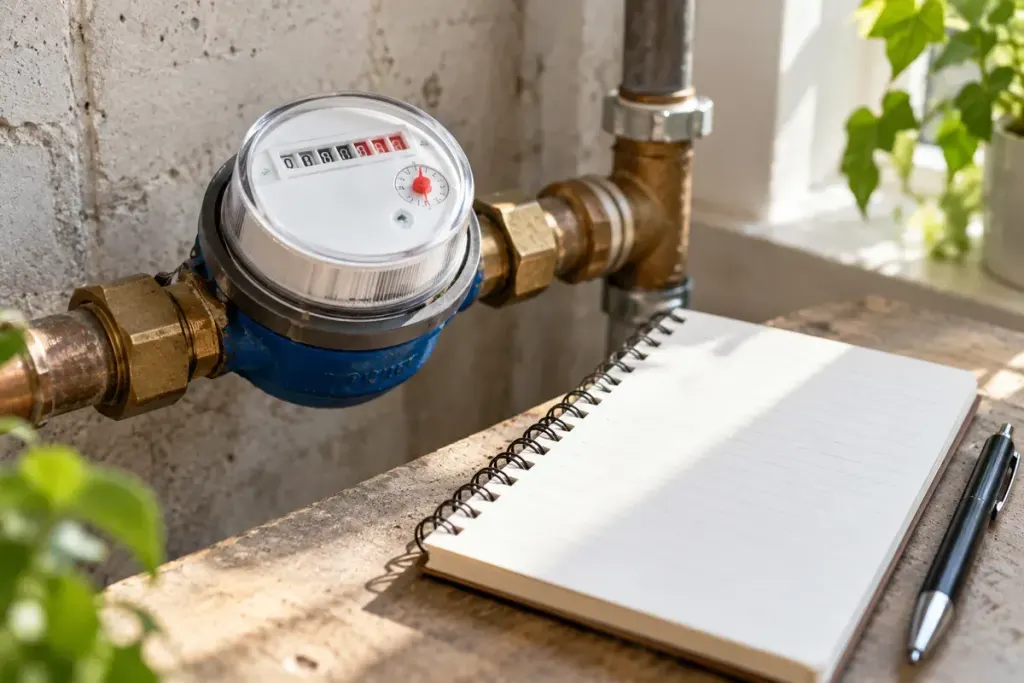
Check the meter identifier, reading dates and units. Note whether the bill uses actual or estimated readings. If you can safely access the correct meter, record its current reading and date without altering the equipment. Ask the utility for help if the display or access arrangement is unclear.
Compare similar periods. A longer interval naturally allows more consumption, and a seasonal change such as garden watering can affect the total. Write down relevant household changes before deciding that one appliance must be responsible.
Use a no-use check as an investigation step
The EPA’s WaterSense maintenance guidance suggests comparing meter readings across a two-hour period when no water is being used. A change can indicate a leak. Account for automatic uses such as irrigation or appliances so the observation is meaningful.
Follow your utility’s advice and do not enter unsafe meter pits or interfere with seals. If the meter serves multiple properties or shared equipment, ask how an individual household can investigate use appropriately.
- Record both readings and the exact interval.
- Note anything that used water during the check.
- Look for visible drips or a continuously running fixture.
- Contact the utility or a qualified plumber when the cause is unclear.
An invented example shows the distinction: a bill rises while recorded consumption stays similar. That points first toward tariff, fixed-charge or billing questions, not proof of a new leak. If consumption rises too, investigate usage and possible losses.
Keep the readings and correspondence together. Concrete observations help the utility assess a billing query and help a plumber narrow a leak investigation. “The bill feels high” becomes a question supported by dates, units and a record of what changed.