
Practical Sustainability
Embodied carbon asks what happened before a product reached your home
Look beyond a home product’s energy use to the emissions associated with making, transporting, maintaining and eventually disposing of it.

Practical steps towards a less wasteful everyday home.
Look beyond a home product’s energy use to the emissions associated with making, transporting, maintaining and eventually disposing of it.
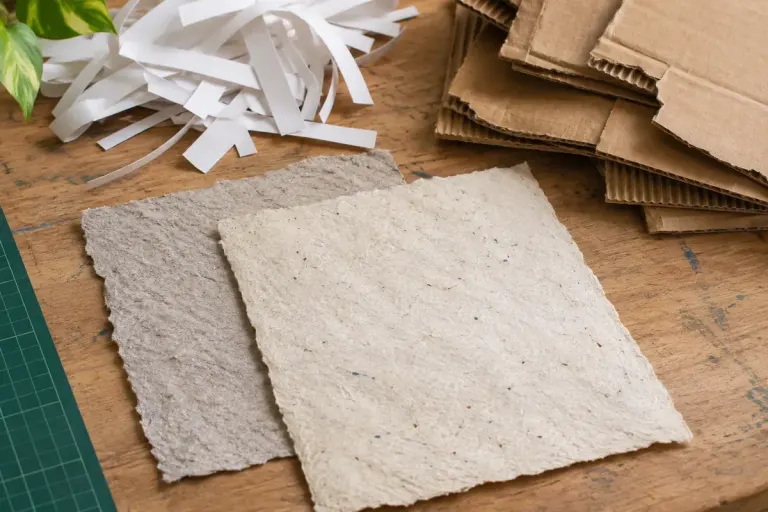
Read recycled-content claims more carefully by distinguishing manufacturing waste from material recovered after use, and checking what the percentage covers.
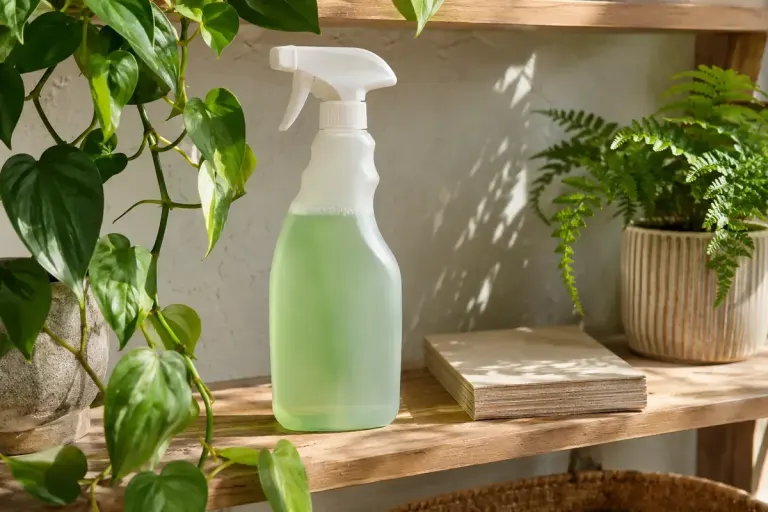
The EU Ecolabel uses product-group criteria across environmental impacts. Check the exact certified product rather than assuming every item from a brand qualifies.
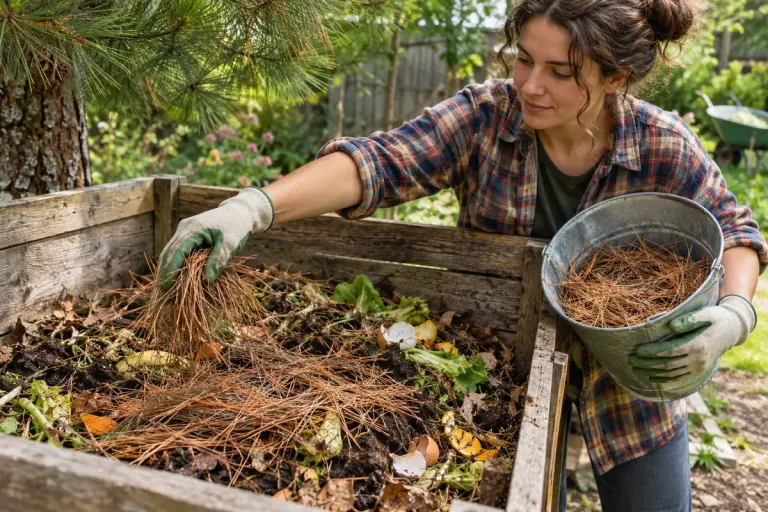
Pine needles can be part of a mixed compost pile. Their initial acidity does not make finished compost permanently acidic; manage the mix and test soil when needed.
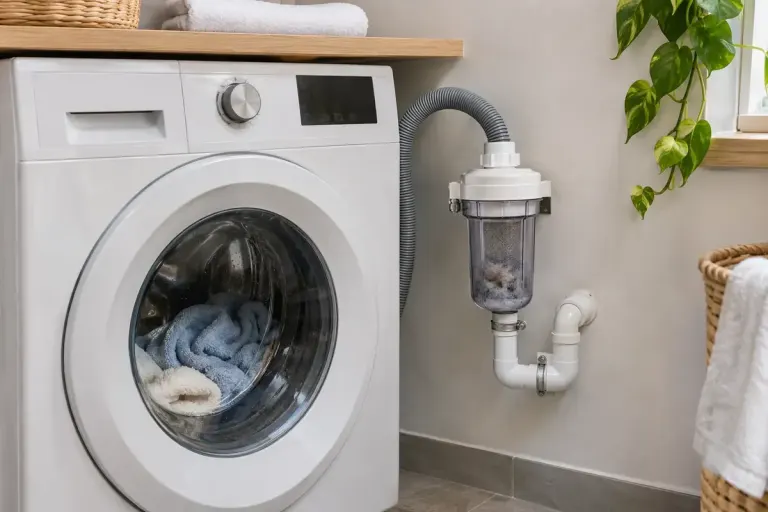
Laundry filters can retain some released fibres, but performance and disposal matter. Read test claims carefully and plan how captured material is handled.
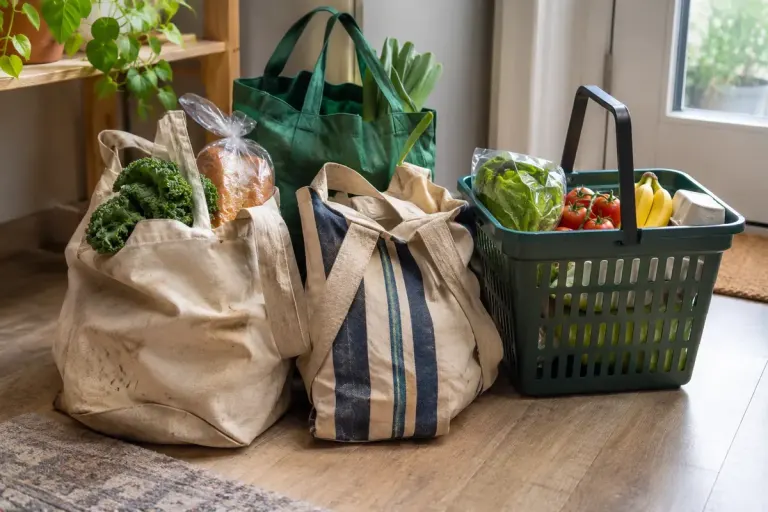
A reusable bag’s environmental break-even point depends on what it replaces, how often it is used and which impact is measured. Read the comparison first.
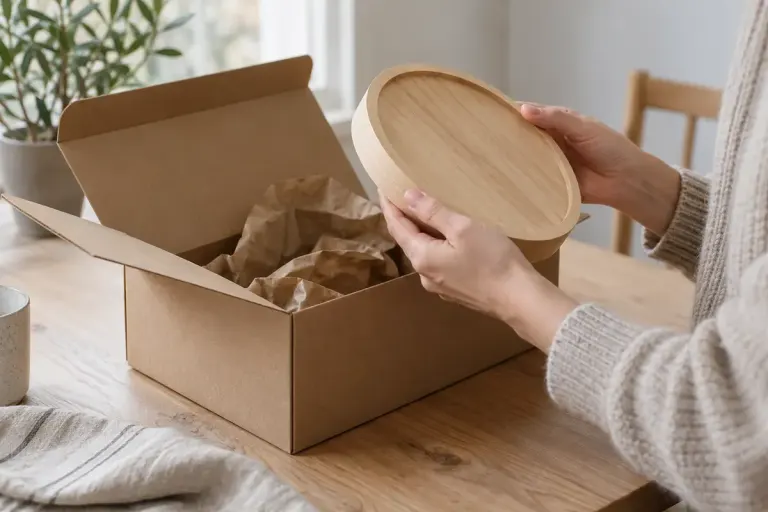
Understand FSC 100%, FSC Mix and FSC Recycled labels, and check whether a claim applies to a product, its packaging or both.
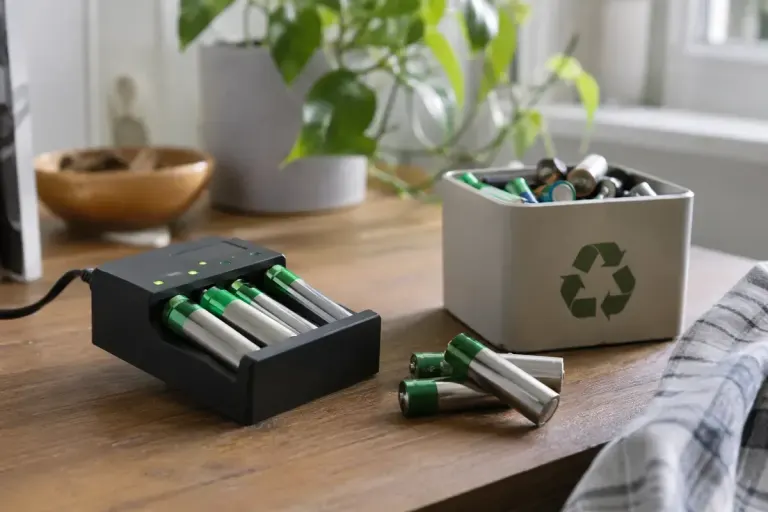
Match rechargeable batteries to a compatible charger, keep their identity clear, and plan appropriate collection when they reach the end of use.

Prepare containers, understand tare weight and buy quantities you will use so a first visit to a refill shop is practical rather than confusing.